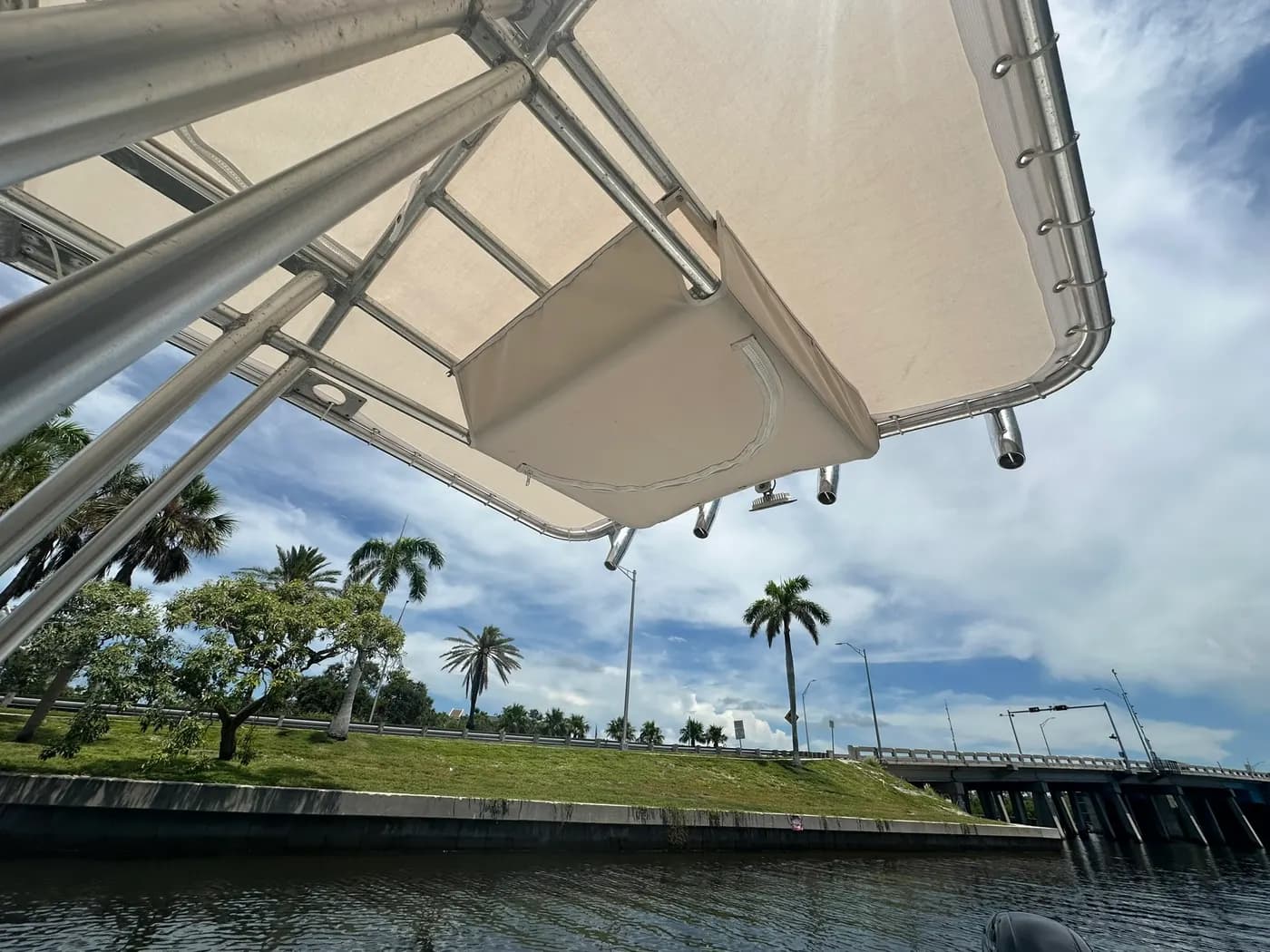
Why Outdoor Cushions Mildew in Florida (and How to Stop It)
Patio & Lanai · June 9, 2026 · 6 min read
Mildew is the uninvited guest at every Florida patio party. You did not ask it to come, you definitely did not offer it a seat, and yet there it is, spreading across your cushions in little black and gray spots. If you have ever flipped a patio cushion and recoiled, you know exactly what we mean.
The frustrating part is that mildew is not really a cleaning problem. It is a moisture problem wearing a cleaning problem costume. Once you understand what mildew needs to live, you can take those things away and keep your patio cushions fresh for years.
What mildew actually wants
Mildew is a type of mold, and like any house guest from a horror movie, it needs just a few things to move in. Moisture, warmth, a little organic food, and time. Florida hands it all four on a silver platter. Our humidity keeps everything damp, our heat keeps it cozy, and the sunscreen, pollen, food crumbs and skin oils on every cushion are basically a buffet.
The University of Florida extension service has a whole library of research on managing mold and mildew in our climate, and the takeaway is always the same. Control the moisture and you control the mildew.
Why your cushions hold water you cannot see
Here is the sneaky part. A cushion can feel dry on the surface and be damp in the core. If the foam inside is the wrong type, it acts like a sponge, soaking up rain and humidity and holding it where you cannot reach. The fabric dries, but the inside stays wet, and that hidden moisture is where mildew throws its party.
Your cushion looks dry the way a swamp looks like a meadow. Give it a squeeze and the truth comes out.
This is why the cushion guts matter as much as the cover. Quick dry, open cell outdoor foam lets water pass right through and air move freely, so the cushion actually dries instead of marinating. We get into foam types in Foam 101, and it is the same lesson we preach about trapped moisture in boat seats.
The fabric half of the fight
The right fabric is mildew resistant and dries fast. Solution dyed acrylics and other performance outdoor fabrics do not feed mildew the way natural fibers can, and they release water quickly. We cover the best options in the best fabrics for Florida patios. Pair good fabric with good foam and you have removed two of mildew's favorite things.
Simple habits that keep cushions fresh
- Let cushions breathe. Stand them on edge or bring them in when a big storm is coming or the patio will sit unused for a while.
- Rinse off sunscreen and pollen now and then. You are removing the food source before mildew can eat it.
- Do not store cushions damp. Putting a wet cushion in a closed bin is how you grow a science project.
- Improve airflow. Even a small gap under cushions and between furniture helps everything dry faster.
When mildew has already won
Sometimes you inherit cushions that are already past saving, with mildew deep in old foam and stains that will not budge. That is not a failure on your part, it is just Florida being Florida. New cushions with the right foam and fabric are often the cleaner, healthier choice, and they cost far less than replacing the whole furniture set.
See outdoor cushion work in our projects and gallery, then tell us about your patio. We will build cushions that keep mildew on the outside looking in, where it belongs.
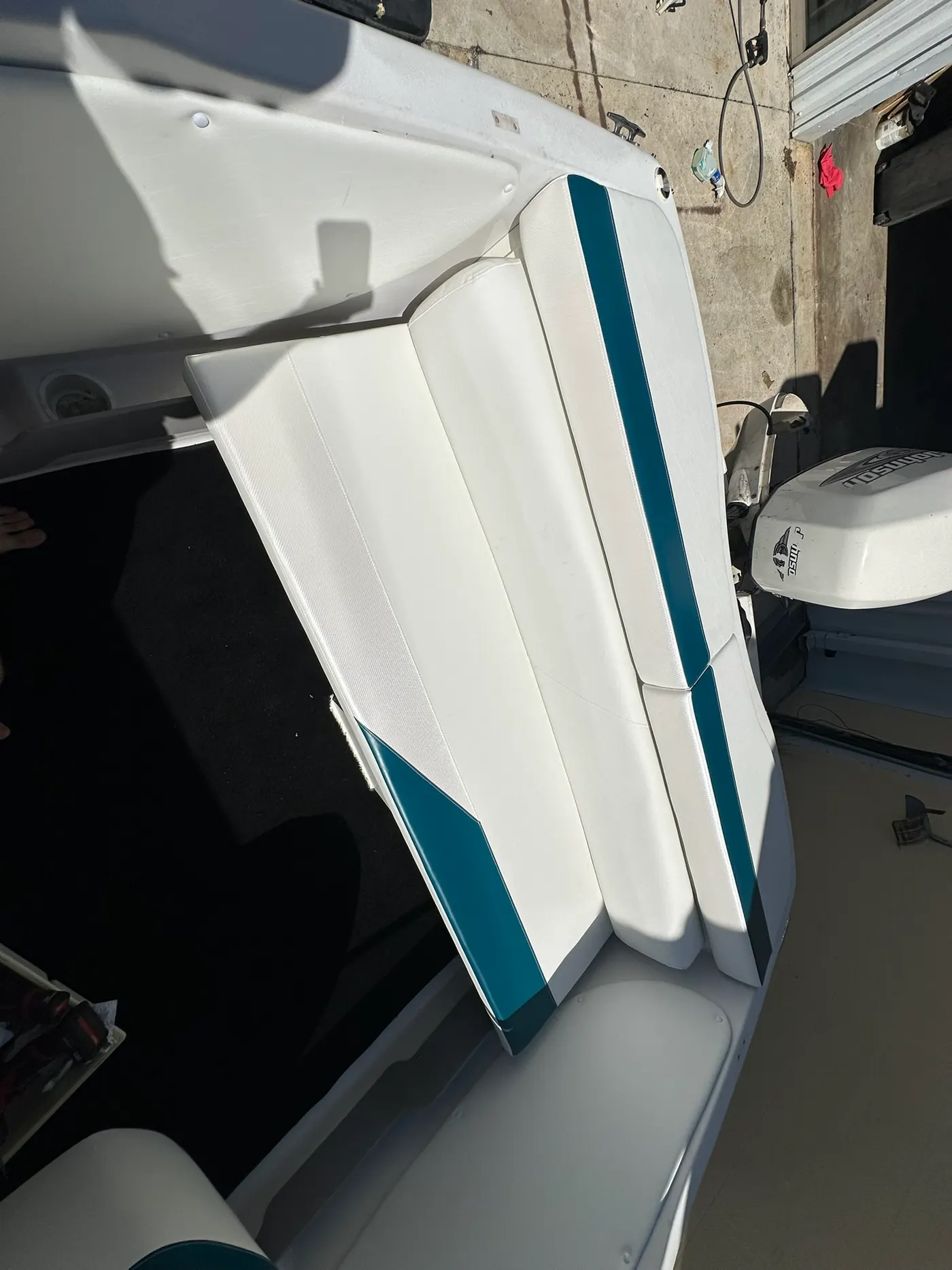
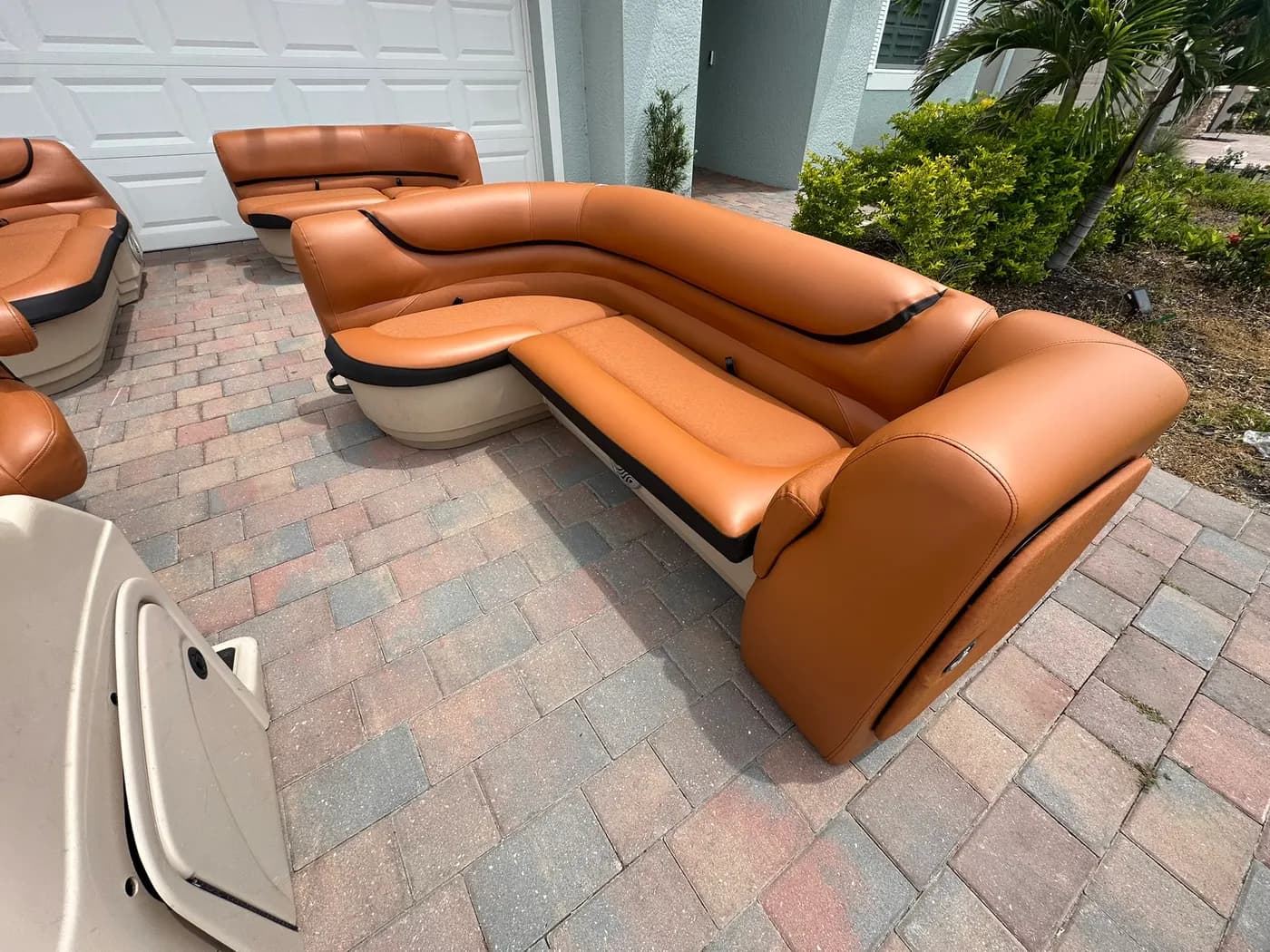
Let's give your piece a second life
Marine, auto, furniture and more. Send a few photos or bring it by the shop for an honest, free estimate.