How Florida Sun and Salt Quietly Destroy Boat Upholstery
Marine · February 4, 2026 · 8 min read
Here is a hard truth that every Gulf Coast boater learns eventually. The Florida sun does not care how much you paid for your boat. It will bleach the color out of your seats, bake the vinyl until it cracks, and invite mildew to move in rent free. Add salt water and the kind of humidity you can practically chew, and you have the three horsemen of the upholstery apocalypse.
The good news is that none of this is a mystery, and almost all of it is preventable. Once you understand what is actually happening to your boat upholstery, you can stay ahead of it and keep your seats looking sharp for years instead of seasons.
The sun is doing more than fading the color
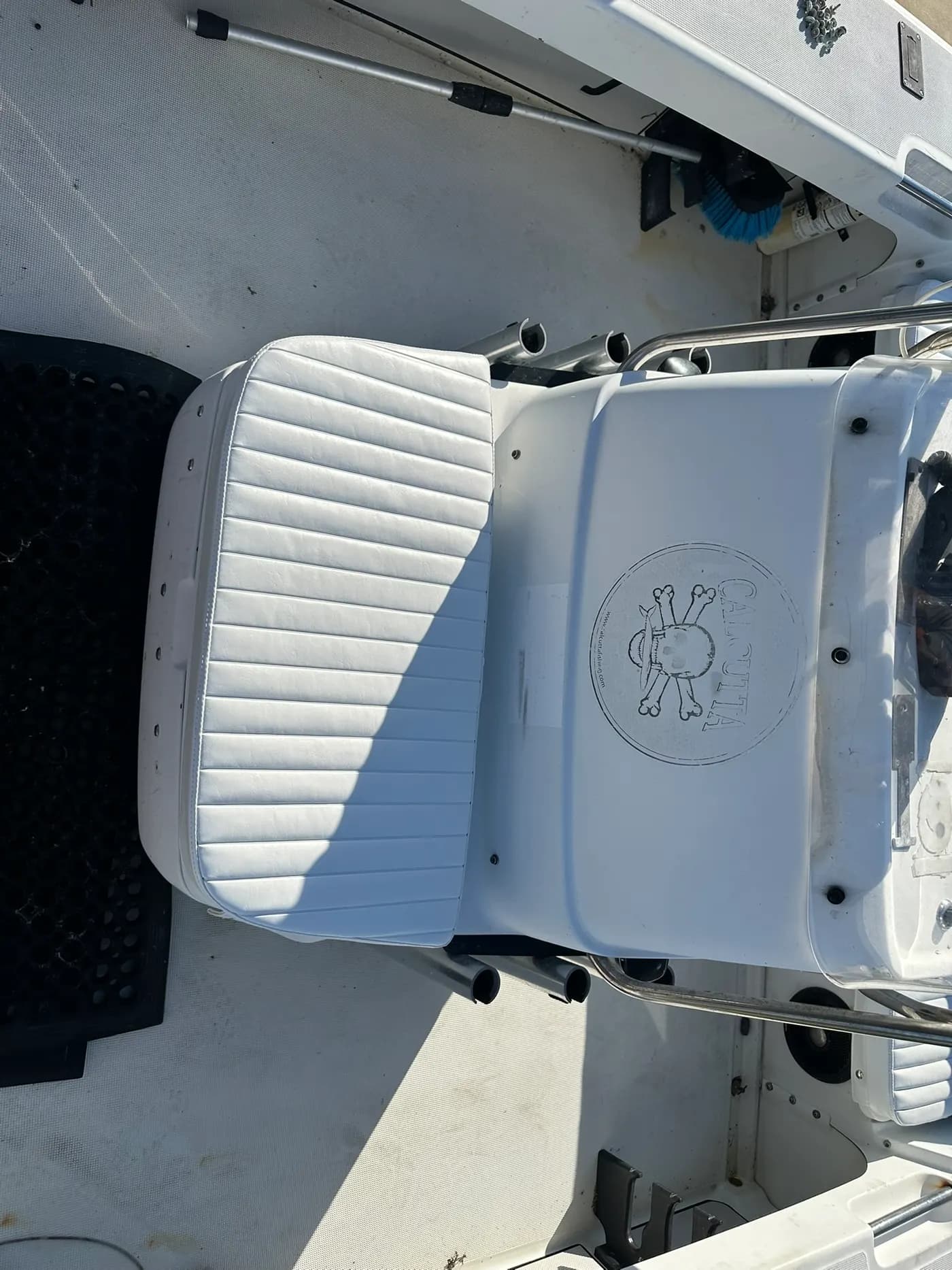
UV rays are sneaky. The first thing you notice is fading, that sad shift from bright white to dingy gray. But the real damage is happening below the surface. Ultraviolet light breaks down the plasticizers that keep marine vinyl soft and flexible. As those break down, the vinyl gets stiff, then brittle, then it starts to crack along the seams and the high spots where people sit.
Once the surface cracks, water gets underneath. Now you are not dealing with a cosmetic problem anymore. You are dealing with soaked foam, rust on the staples and frame, and that smell. You know the one. The folks at BoatUS publish a lot of practical care advice on this, and the theme is always the same. Small problems caught early are cheap and easy. Ignored problems are not.
Salt is patient and persistent
Salt does not attack your seats the way the sun does. It just sits there being salt, drawing in moisture and grinding away like fine sandpaper every time someone sits down. Salt crystals work into the grain of the vinyl and into the stitching, where they quietly saw through the thread from the inside. That is why so many boat seats fail at the seams first while the rest of the panel still looks okay.
Rinse your boat with fresh water after every saltwater trip. Yes, every time. It feels like a chore, but it is the single most effective habit for a long upholstery life. We dig into the day to day care routine in our guide on stopping mildew before it starts, and most of those tips apply on the water too.
Humidity is the silent partner
Florida humidity is the reason your seats can look fine on the outside and be a science experiment on the inside. Moisture gets trapped under cushions and inside foam that never fully dries. Mildew loves that. It feeds on the body oils, sunscreen and snacks that end up on every boat seat, and it spreads fast in warm, damp, dark spaces.
A boat seat is basically a sponge wearing a nice outfit. The outfit is the easy part. Keeping the sponge dry is the whole game.
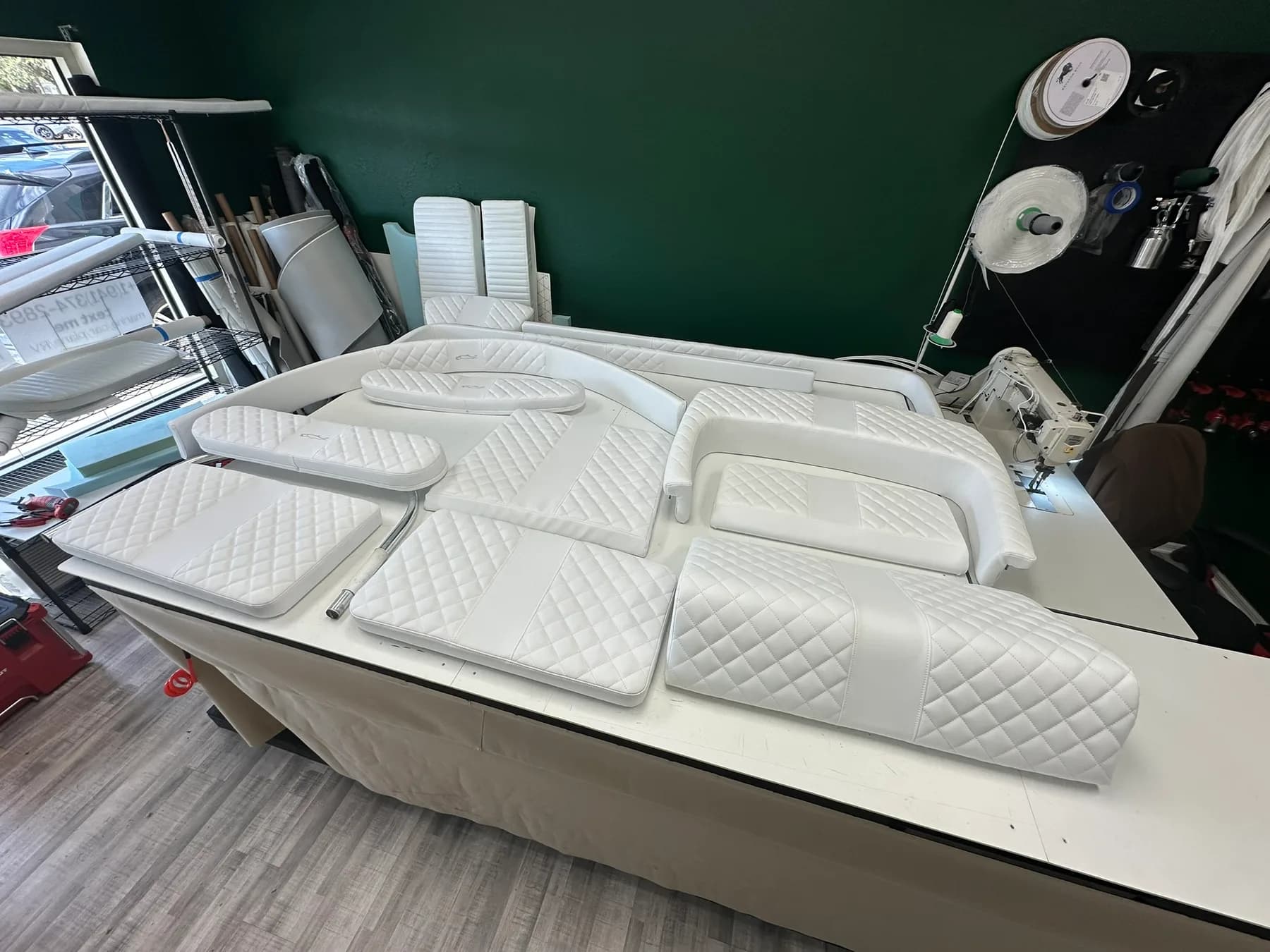
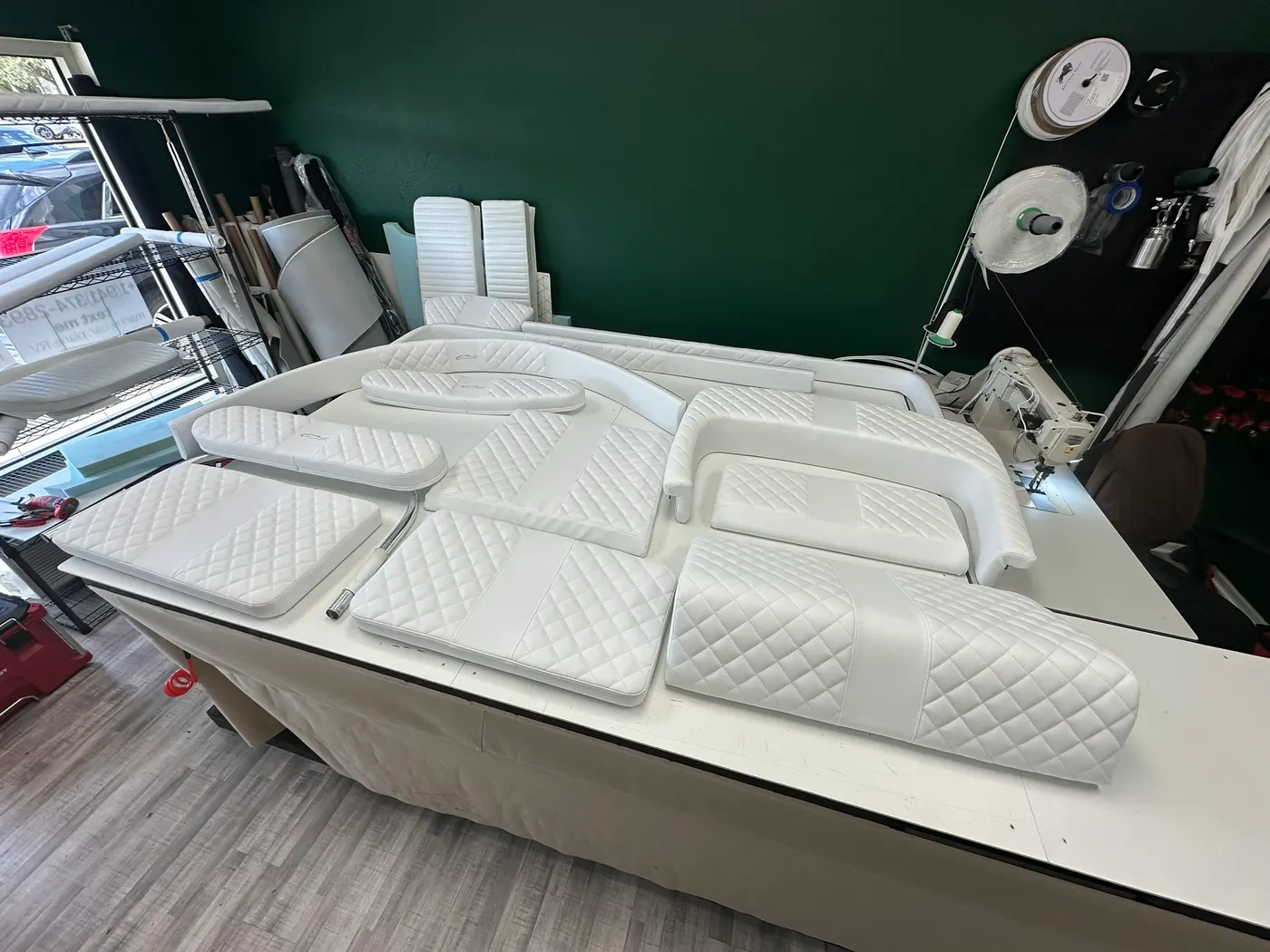
This is where construction matters as much as the cover. Quick dry foam, proper drainage, and breathable backings make a huge difference. When we rebuild a seat, we are not just stapling new vinyl over old foam and calling it a day. We are fixing the reason it failed in the first place. You can see the difference in our recent projects and across the full gallery.
How to fight back
You do not need a chemistry degree to protect your seats. You just need a few good habits and the right materials underneath you.
- Rinse with fresh water after saltwater trips, and wipe seats down before they dry in the sun.
- Use a marine vinyl cleaner and a protectant with UV blockers a few times a season. Skip the harsh household stuff, it strips the good oils.
- Cover the boat when it is parked. A good cover is the cheapest upholstery insurance you will ever buy.
- Let cushions breathe. Pop them up or store them somewhere dry when the boat sits for a while.
- Insist on real marine grade materials. There is a big difference, which we cover in marine vinyl versus regular vinyl.
When prevention is too late
Sometimes you inherit a boat that has been sun baked for a decade, or you finally admit that your seats have crossed over from worn to wrecked. That is not a failure, that is just Florida. If you are seeing deep cracks, exposed foam, broken seams or a smell that will not quit, it is probably time for new upholstery. We put together a simple checklist in the signs your boat seats need reupholstering so you can tell the difference.
When that day comes, we are right here in North Port and happy to take a look. Bring the boat by, or send a few photos through our contact page, and we will give you an honest opinion on whether a refresh or a full rebuild makes more sense. Florida is hard on boats, but with the right care and the right materials, your seats can take the punishment and keep looking great.
Let's give your piece a second life
Marine, auto, furniture and more. Send a few photos or bring it by the shop for an honest, free estimate.