Aircraft Upholstery Has Rules Car Upholstery Doesn't
Aircraft · August 4, 2026 · 8 min read
Every so often somebody calls the shop and says, it is just seats, how different can it be from my truck. It is a fair question. A seat is a seat, foam is foam, and vinyl does not know what it is bolted to. But the moment that seat lives inside an airframe, a whole layer of rules shows up that no car job has ever had to think about, and pretending otherwise is how people end up with a beautiful interior they cannot legally fly behind.
We do this work often enough to have opinions about it. Here is what actually changes when the cabin has wings.
Rule one: the materials have to be flame resistant
This is the big one. Cabin interior materials in certificated aircraft have to meet flammability requirements written into the federal airworthiness rules. Your car seat has no such obligation. Nobody at the factory tested your sofa either. But the fabric, foam, thread and panel coverings going into an aircraft cabin all have to be appropriate for the application, and the documentation that comes with them is part of the job rather than a nice-to-have.
In practice this means we do not shop for aircraft materials the way we shop for a boat. The color book is smaller, the lead times are longer, and the cheap roll of vinyl that would look fantastic in a golf cart is simply not a candidate. The FAA publishes the airworthiness standards these requirements live in at faa.gov if you want to read the actual language.
Rule two: weight is not free
On a boat, if the new cushions come out a couple of pounds heavier than the old ones, nothing happens. Nobody notices. In an aircraft, weight is a currency you spend, and an interior is one of the easier places to spend it without meaning to. Thicker foam for comfort, heavier leather for looks, a little extra padding in the panels, do that across four seats, both door panels, the headliner and the carpet and you have quietly added real weight to the airframe.
So we have the conversation up front. Sometimes the answer is a slightly lighter foam with better support instead of more of it. Sometimes it is vinyl where the owner assumed leather. The point is that it is a decision rather than an accident. Our full approach to aircraft seat reupholstery starts there.
Rule three: there is nowhere to hide
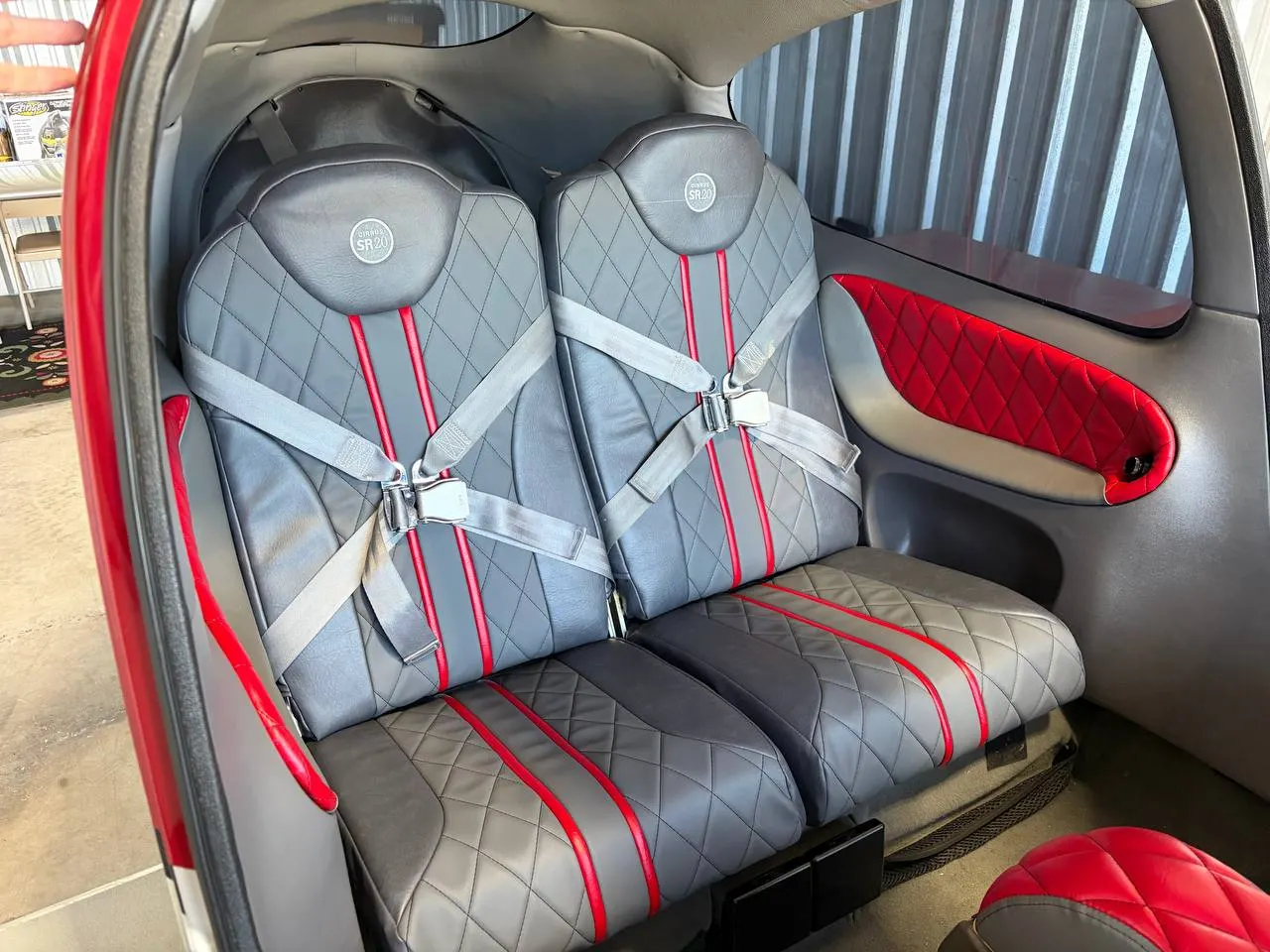
A car interior is viewed at arm's length while you are looking at the road. An aircraft cabin is viewed from about eighteen inches away by somebody who has nothing else to do for the next two hours. Every seam, every stitch line, every place where a panel meets a seat is right there in daylight at altitude.
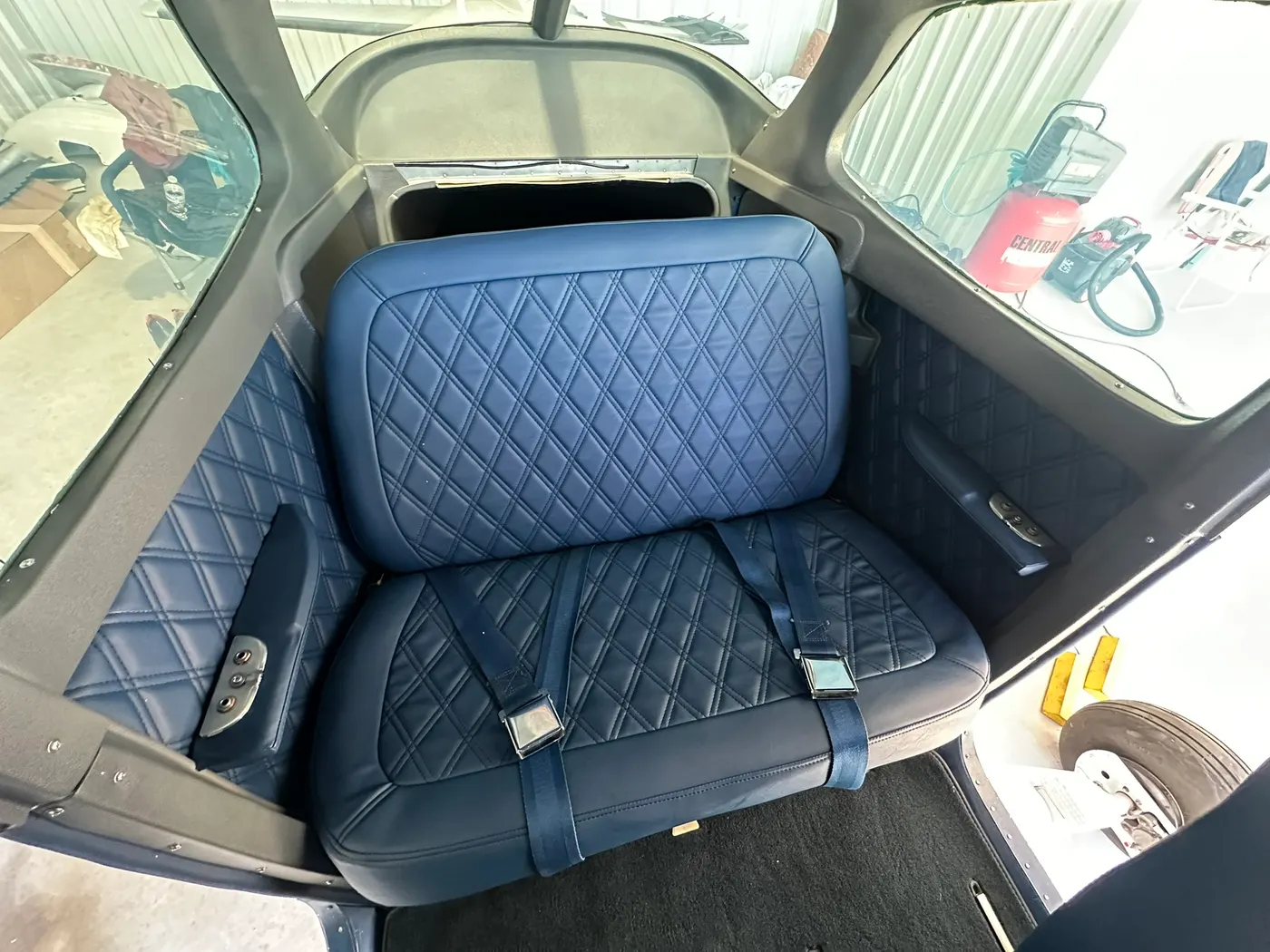
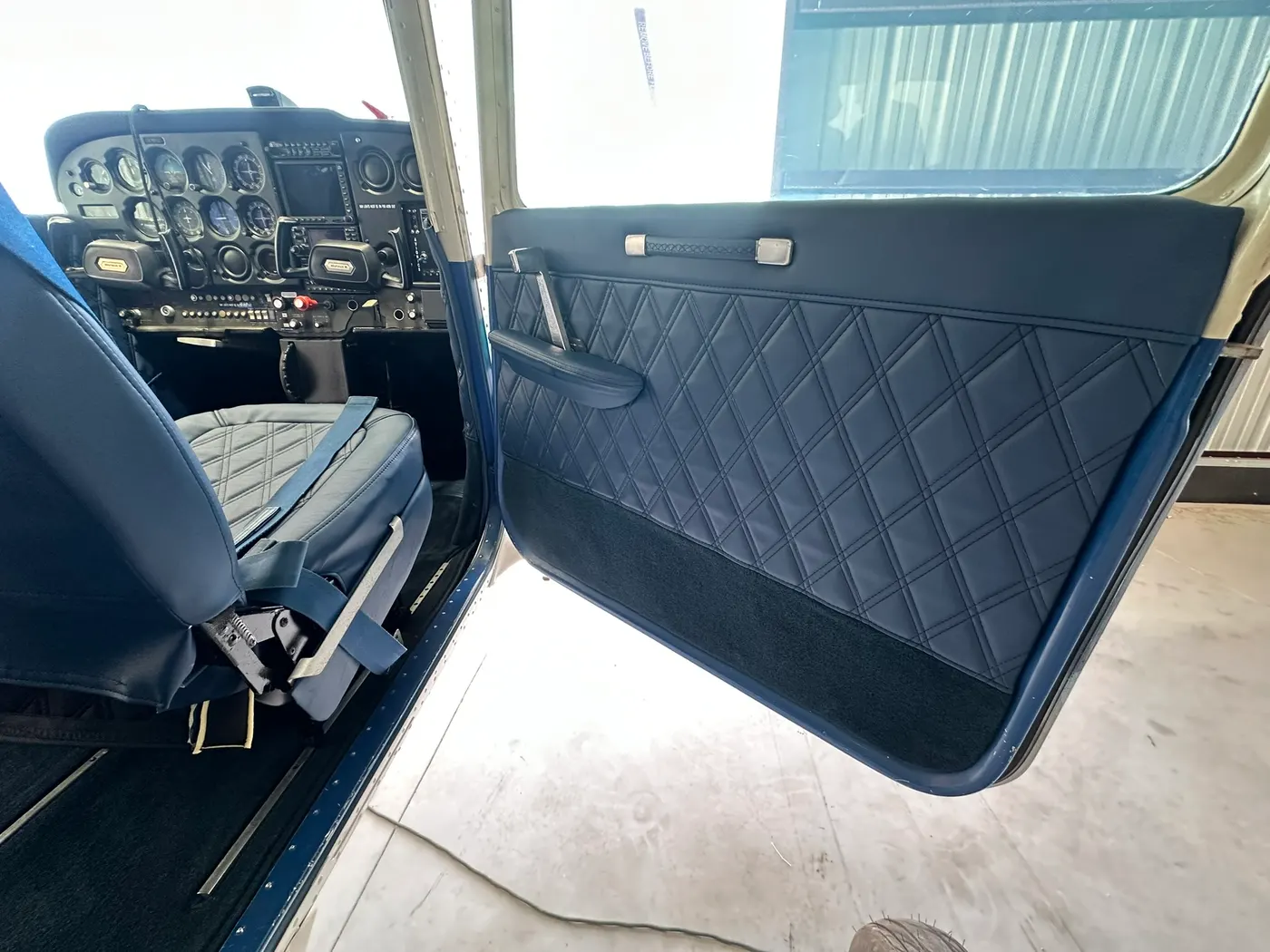
That is why cabin work is closer to fine furniture than to quick auto trim. It is also why we like it. When you do side and door panels to match the seats, the whole cabin reads as one design instead of a set of parts that happen to share a color.
Rule four: the fit has to be exact, because the structure will not move
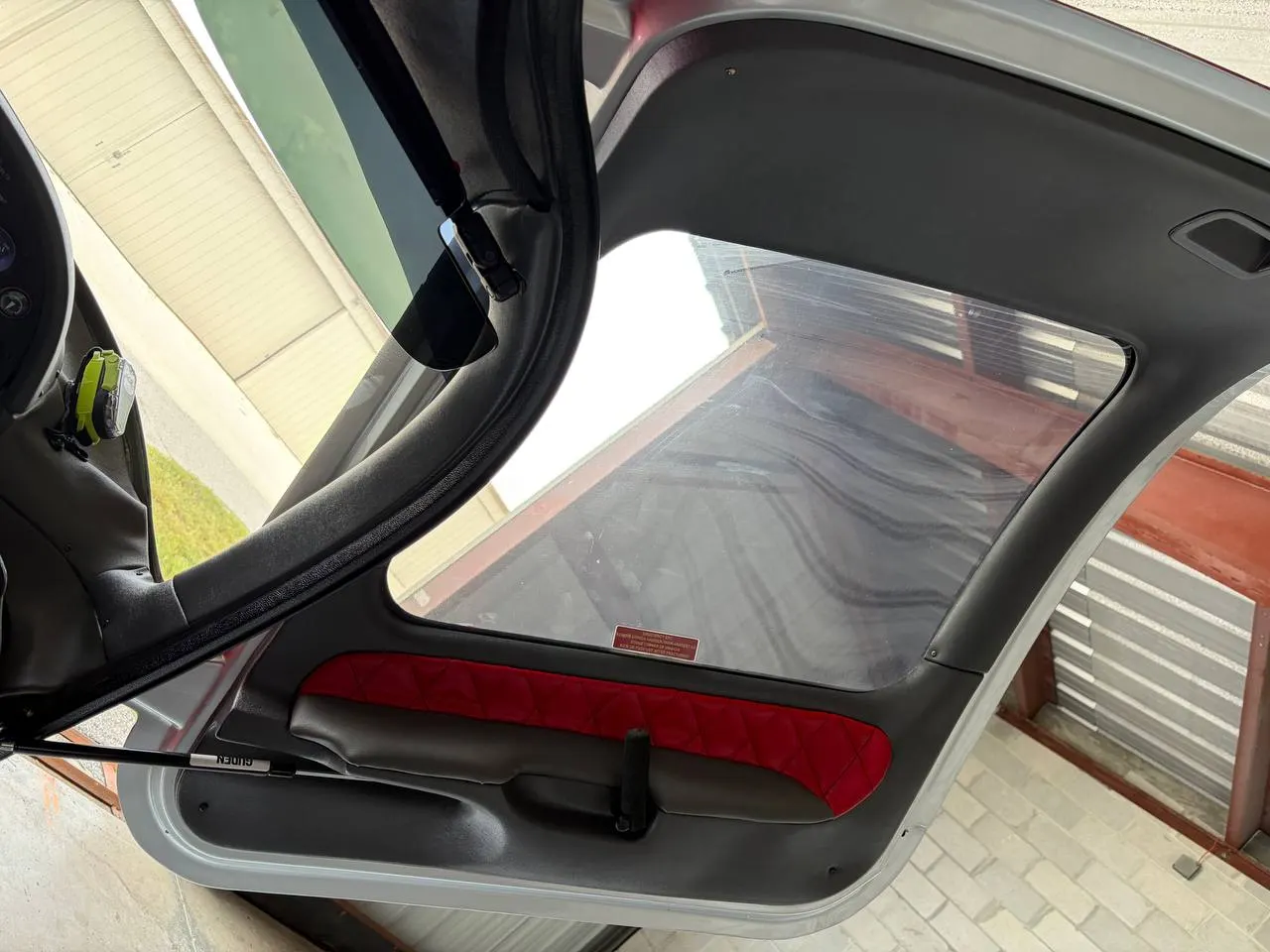
In a car, if a panel is a whisker proud, the trim clip pulls it in and nobody is the wiser. Aircraft panels sit against structure that is not going to negotiate. Cutouts for vents, latches, hinges, control cables and inspection points have to land where they land. A cover that is five millimeters generous in the wrong place does not look sloppy, it fouls something.
So we pattern off the original parts rather than guessing, and we dry fit before anything is final. It is slower. It is also the difference between an interior that goes back in on a Tuesday afternoon and one that comes back to us twice.
A car interior has to look good. An aircraft interior has to look good, weigh what it should, meet the flammability requirements and fit structure that will not budge. Same craft, different stakes.
Rule five: the sign-off is not ours
We build the interior. Your mechanic puts the aircraft back in service. That is a healthy division of labor, and it works best when we are talking to each other early rather than at the end. Owners who loop their A and P in from the first conversation get a smoother job, because we know what documentation to keep and the schedule gets planned around an annual instead of fighting it.
What does not change
Underneath all of it, the craft is the craft. Good patterning, honest foam, straight stitch lines and a cover that is pulled evenly are the same virtues that make a boat seat or a classic car bench worth having. The rules around aircraft work do not replace the craftsmanship, they just set the boundaries it has to work inside. If you want the deep version of how a cabin comes together, we walked through it in what goes into reupholstering a Cessna interior, and the money side lives in what aircraft interior reupholstery costs.
Doing it in stages
You do not have to solve the whole cabin at once. Plenty of owners start with the seats because that is what they touch, then come back for panels and carpet later. If you want the cohesive result in one shot, that is what a custom aircraft interior is for. Either way, seeing the finish in person helps, and there is plenty of it in the gallery.
Frequently asked
Can any upholstery shop do aircraft interiors?
Physically, yes. Properly, no. Aircraft cabin materials have to meet flammability requirements that no car or boat job ever asks about, the weight of what you add matters, and the finished work has to go back in so your mechanic can sign it off. A shop that has never touched a cabin usually learns all of that the expensive way, on your airplane.
Does new upholstery add weight to my plane?
It can, and that is exactly why we watch it. Heavy foam, thick leather and extra padding all add up across four seats, panels, headliner and carpet. We pick materials with the weight and balance conversation already in mind rather than treating it as an afterthought.
Do you have to remove the seats from the aircraft?
For seat work, almost always. Panels and headliners come out too. It gives us a clean bench to build on and it means the aircraft is not sitting open in our shop for weeks. Most owners bring us the removed components on a schedule that suits their mechanic.
Thinking about your cabin? Send us a few photos and tell us what you fly, and we will tell you honestly what it takes.
Let's give your piece a second life
Marine, auto, furniture and more. Send a few photos or bring it by the shop for an honest, free estimate.