Aircraft Headliner Replacement: What to Expect
Aircraft · May 28, 2026 · 7 min read
A sagging headliner is annoying in a car. At five thousand feet, a droopy cabin ceiling brushing the top of your head is a genuine distraction you do not need. If the fabric overhead in your Cessna or light plane is drooping, stained, or peeling at the edges, it is time for a headliner replacement. Here is exactly what to expect.
This is one of the most common pieces of aircraft upholstery work we do, and the payoff is instant: a clean, tight cabin ceiling that makes the whole interior feel cared-for.
Why aircraft headliners droop in the first place
A headliner is fabric bonded to a backing panel. Over years, the adhesive breaks down, the foam backing crumbles, and the fabric peels away and sags. The number one accelerator is heat, which is why a plane that sits in the Florida sun cooks its headliner faster than one in a cool hangar up north. It is the same story we tell about cars in why headliners sag and how we fix them, just at altitude.
Why the quick fixes do not fly (literally)
Pins, tape and a can of spray glue might limp a car along, but a cabin is no place for a temporary patch, and crumbling foam means new fabric will not stick anyway. A proper job means removing the headliner panels, stripping the old material and failed backing, prepping a clean surface, and bonding new material with the right adhesive, then refitting everything cleanly around the dome light, visors and trim.
In a cabin, the ceiling is right in your eyeline the entire flight. It has to be tight, clean, and done to last.
What to expect from the process
- Assessment. We look at the headliner and the surrounding panels, since they often age together.
- Material choice. Appropriate cabin material in a color that matches or refreshes your interior.
- Removal and prep. Panels come out, old material and backing come off, surfaces get cleaned.
- Rebuild and refit. New material bonded and fitted around every opening for a factory-clean look.
Because aircraft have material and documentation requirements that ordinary upholstery does not, the work should follow your aircraft's airworthiness guidance and be signed off properly. The owner community at AOPA has good background on ownership and maintenance if you want to read up first.
Worth doing the rest while you are at it?
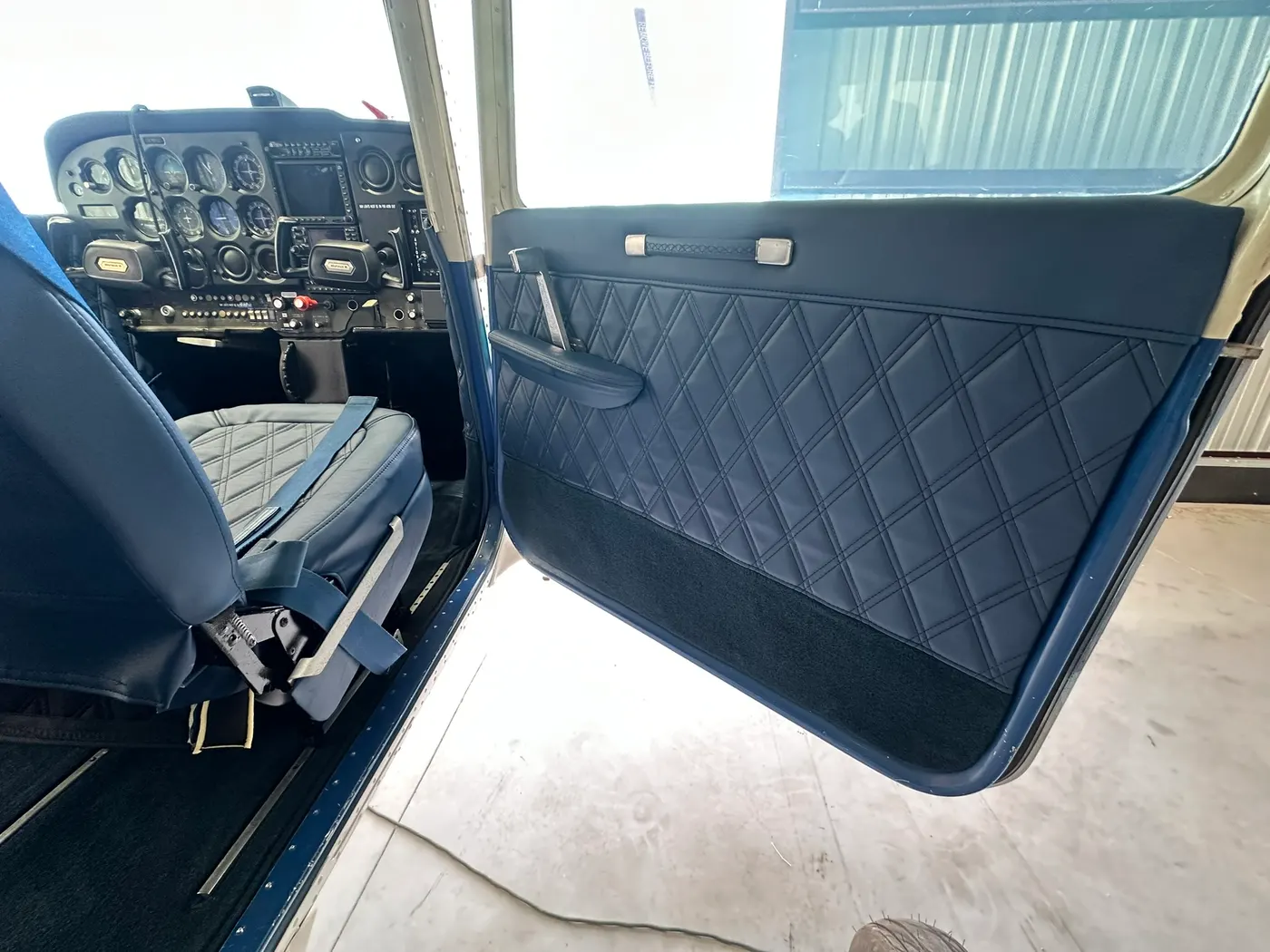
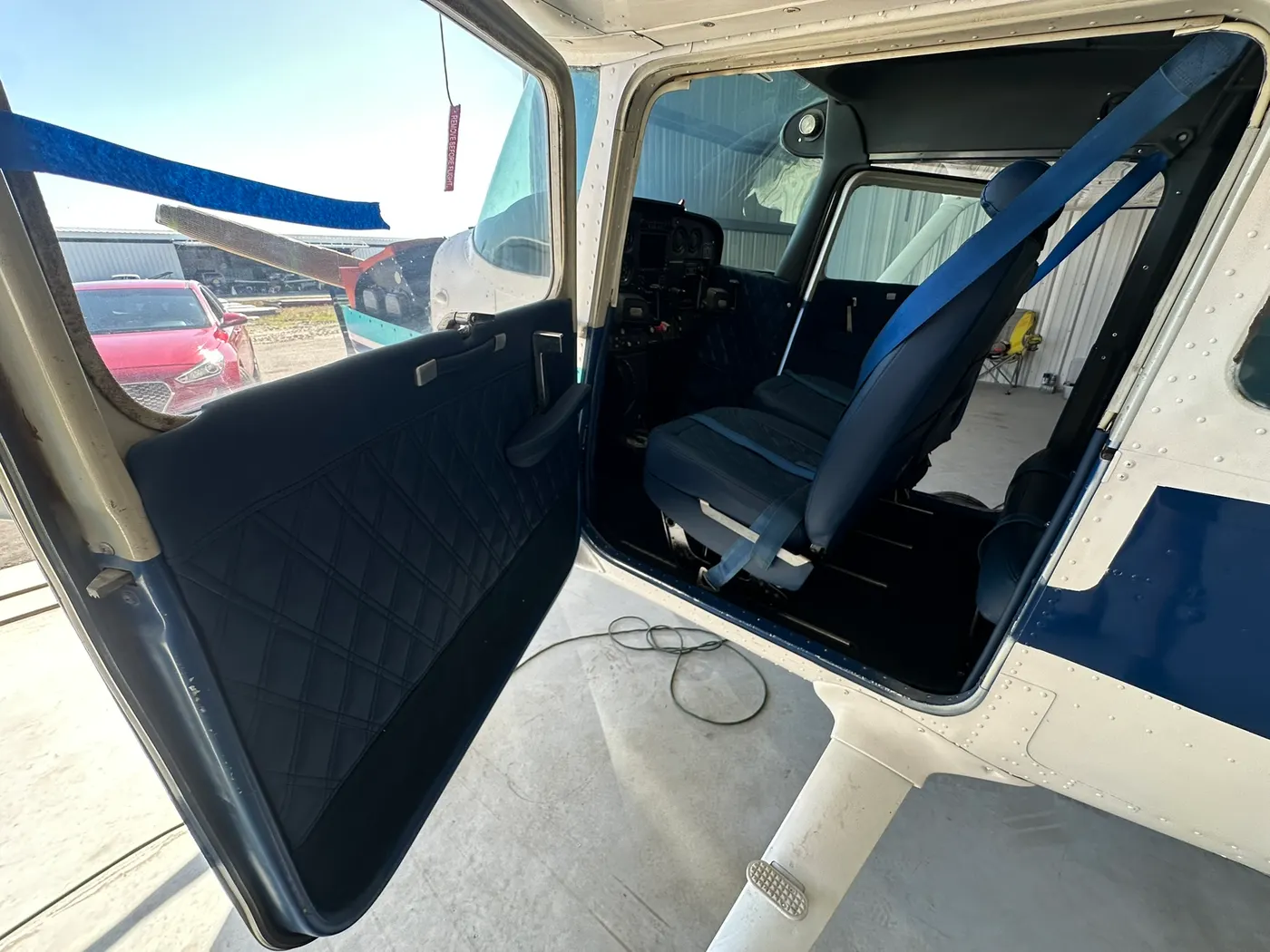
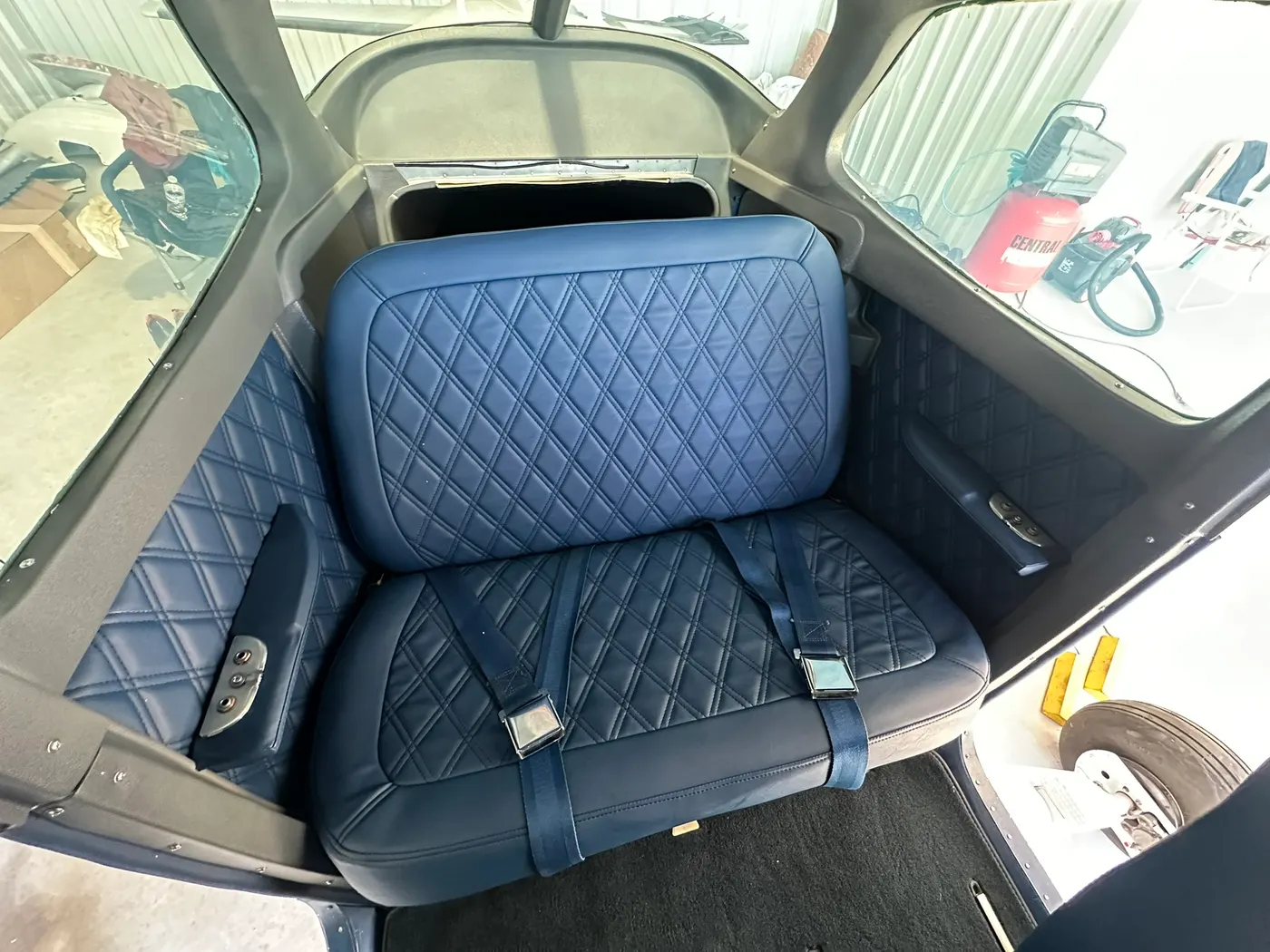
If the headliner has given up, the seats and side panels are usually not far behind. Many owners do a few pieces together for a consistent cabin, which we walk through in what goes into reupholstering a Cessna interior. It is also the right time to add custom touches, the kind of detail we cover in custom stitching styles. See cabin work in our projects and gallery.
Frequently asked
Why does an aircraft headliner sag?
The same reason a car's does: the adhesive holding the fabric to the backing breaks down over time, accelerated by heat. The fabric peels away and droops. In Florida, sun-baked cabins make it happen faster.
Can you replace just the headliner, or does the whole interior need doing?
The headliner can be done on its own. That said, if it is failing, the side panels and seats are often aging too, so many owners refresh a few pieces together for a consistent cabin.
Does aircraft headliner material need to meet special standards?
Aircraft cabin materials have requirements ordinary upholstery does not, including flammability standards. We work with appropriate materials, and the work should follow your aircraft's airworthiness guidance and be documented correctly.
Tired of staring up at a saggy cabin ceiling? Send us a few photos for a free estimate and we will get it tight and clean again.
Let's give your piece a second life
Marine, auto, furniture and more. Send a few photos or bring it by the shop for an honest, free estimate.