Reupholstering Antique Furniture: What to Know
Furniture · August 26, 2025 · 8 min read
An antique is a story with legs. Grandma's wingback, the settee that has moved through three generations, the auction find with great bones and terrible fabric. Reupholstering an antique is one of the most rewarding things we do, but it comes with a few extra considerations you do not have with a modern piece. Here is what to know before you bring an heirloom back to life.
Done thoughtfully, reupholstering an antique keeps its soul intact while making it comfortable and beautiful for the next few decades.
First: is it a family antique or a collector's piece?
This matters. For the vast majority of antiques, the ones with sentimental value and good bones, reupholstering is exactly right and does not hurt anything. For genuinely rare, museum-grade pieces, original materials can matter to collectors, so it is worth a word with an appraiser before you change anything. The history of the craft, from horsehair to modern foam, is a fun read on Wikipedia's antiques overview. For most family pieces, though, the choice is easy.
The bones are everything
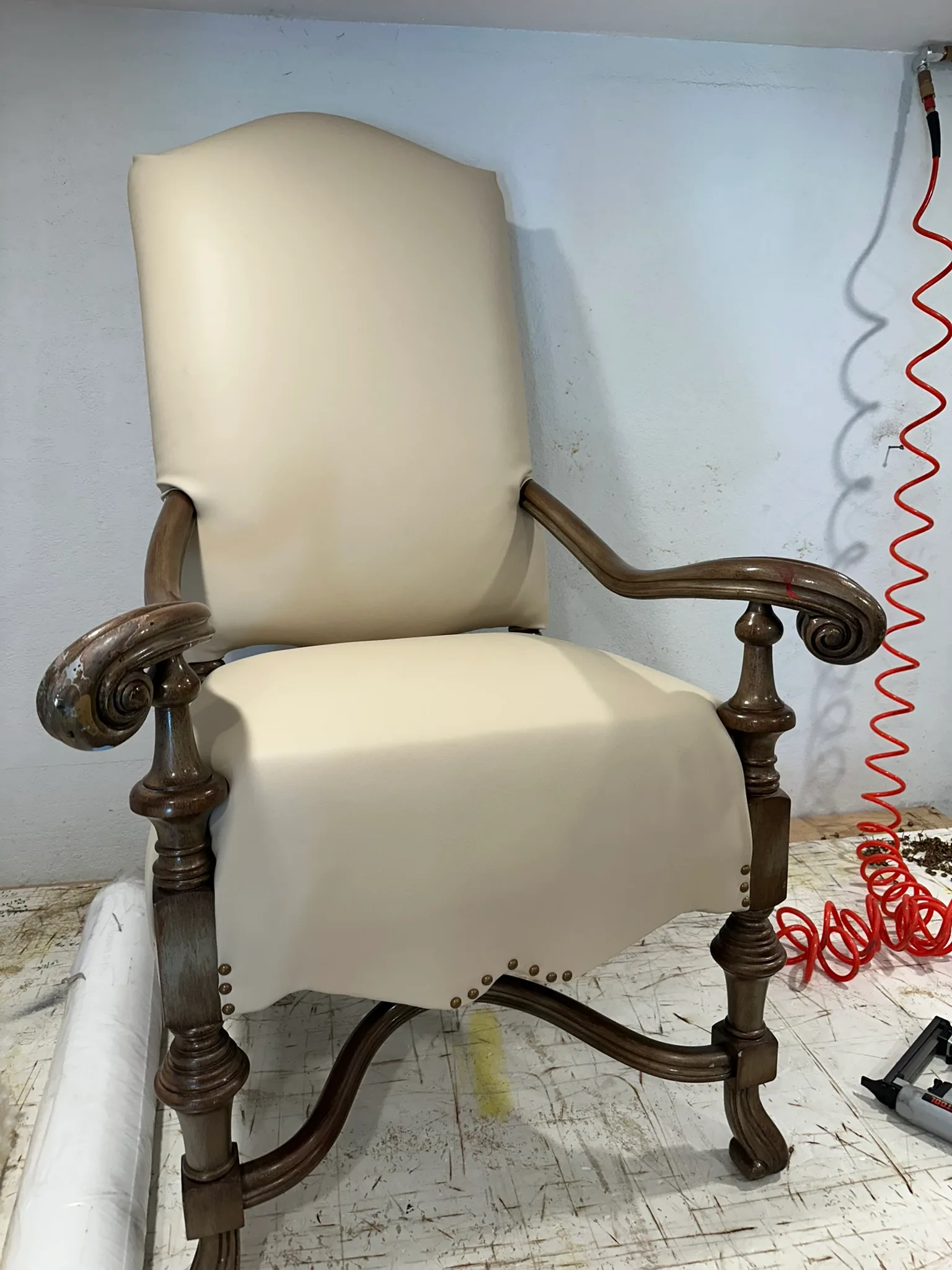
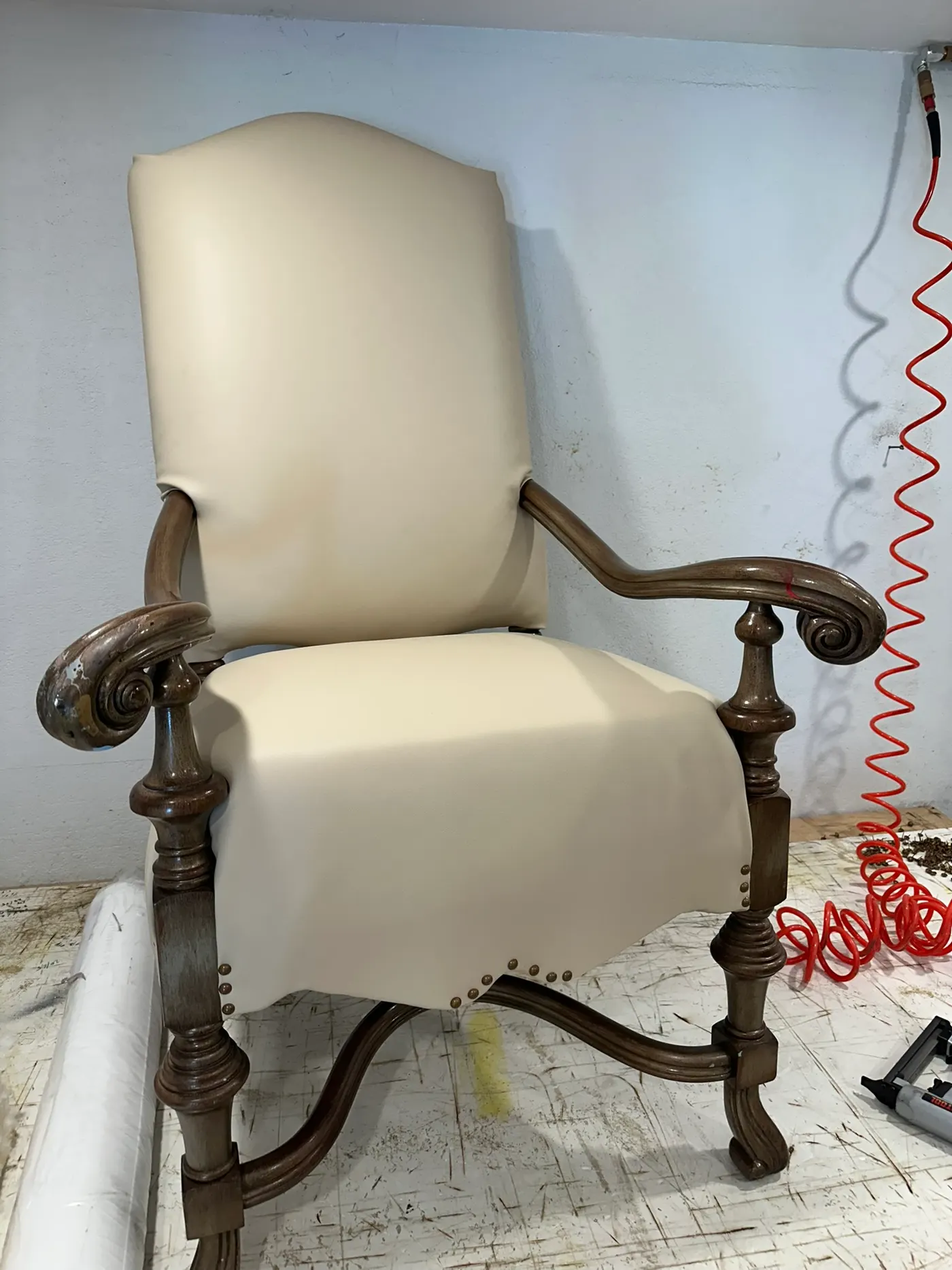
Antiques usually have a huge advantage over modern furniture: solid hardwood frames and real joinery, built in an era when things were made to last and be repaired. That is exactly what makes them worth restoring, the same frame-first test we describe in how to tell if your furniture is worth restoring. We can reglue loose joints, retie springs, and rebuild the foundation so the piece is sturdy again.
They do not build them like this anymore, so we keep what they built and renew the rest.
Preserving character while refreshing comfort
The art of antique work is deciding what to keep and what to renew. We can:
- Preserve carved frames, exposed wood, and original nailhead trim.
- Reuse or match traditional techniques like tufting and hand-tied springs.
- Rebuild comfort with fresh foam or traditional fillings, your call.
- Choose a fabric that honors the era or gently modernizes the piece.
Choosing the right fabric
Fabric makes or breaks an antique. A period-appropriate damask keeps it classic; a clean modern fabric can make a fussy antique feel fresh and current. Either way, durability still matters if you actually plan to use it, which we cover in how to choose the right fabric. For a set of antique dining chairs, our dining chair guide applies too.
A piece worth passing down
The best part of antique work is handing it back and watching someone see the piece they remembered, only better. It is furniture that carries a family's history, and now it is ready for the next chapter. See restoration work in our projects and gallery.
Frequently asked
Does reupholstering an antique lower its value?
Not usually, if it is done sympathetically. For most family antiques, fresh, appropriate upholstery makes the piece usable and beautiful again. For rare museum-grade antiques, talk to an appraiser first, since original materials can matter to collectors.
Can you preserve the original details on an antique?
Yes. We can preserve and reuse features like nailhead trim, carved frames and springs where possible, and match traditional techniques so the piece keeps its character.
Is it worth reupholstering an old chair?
If the frame is solid hardwood, almost always. Antiques were built to be redone, and the joinery is often better than anything made today. A good frame is worth building on.
Have an heirloom that deserves another life? Send us a few photos for a free estimate and we will treat it like it is our own family's.
Let's give your piece a second life
Marine, auto, furniture and more. Send a few photos or bring it by the shop for an honest, free estimate.